
Ram Mandir Ayodhya: History, Faith, Architecture, and the Soul of India

Share
Introduction
The Ram Mandir Ayodhya is not only a temple made from stone and sandstone; it is a dwelling picture of religion, patience, devotion, and cultural continuity. For millions of Hindus at some point of India and round the area, Ayodhya is sacred because it’s miles believed to be the birthplace of Lord Shri Ram, the embodiment of fact, righteousness, and compassion. The advent of the Ram Mandir marks the achievement of a centuries-antique non secular aspiration that has lived inside the hearts of devotees generation after generation.
Ayodhya’s name itself conjures up devotion. Saints have sung about it, scriptures have praised it, and pilgrims have walked barefoot to reach it. Today, the Ram Mandir stands as a reminder that religion, while mixed with perseverance and lawful resolution, can form information. This temple isn’t pleasant approximately religion; it displays India’s civilizational electricity, non secular intensity, and cultural identity.
Ayodhya: The Eternal City of Lord Ram
Ayodhya is one of the Sapta Puri, the seven holiest cities in Hindu lifestyle. According to ancient texts, it come to be based with the resource of Manu, the progenitor of mankind. Ayodhya served because the capital of the Ikshvaku dynasty, underneath which Lord Ram became born to King Dasharatha and Queen Kaushalya.
The city is described inside the Ramayana as rich, disciplined, and spiritually improved. Rivers, forests, temples, and ashrams surrounded it, making it a certainly ideal placing for the divine incarnation of Lord Vishnu as Ram. Even in recent times, Ayodhya consists of a calm spiritual strength that web page traffic regularly describe as deeply moving and non violent.
Who Is Lord Shri Ram?
Lord Shri Ram is respected because the 7th avatar of Lord Vishnu. He represents the perfect person, incomes the perceive Maryada Purushottam, that means person who upholds dignity, duty, and ethical boundaries below all instances. His lifestyles teaches training on truth, sacrifice, obedience, management, and devotion.
From accepting exile to defeating evil, Lord Ram’s adventure is not in reality divine mythology however a guide to ethical living. Because Ayodhya is his birthplace, it holds extraordinary importance in Hindu notion. The Ram Mandir Ayodhya therefore stands as a tribute to those timeless values.
Ram Janmabhoomi: The Sacred Birthplace
Ram Janmabhoomi refers to the site believed to be the exact birthplace of Lord Ram. For centuries, devotees worshipped this land with unwavering faith. Ancient scriptures, nearby traditions, and archaeological findings constantly pointed to this site as sacred.
Despite changes in political rule and historical upheavals, the perception in Ram Janmabhoomi never diminished. Pilgrimages, bhajans, and rituals persisted, retaining the non secular connection of the people with the land.
Historical Journey of Ram Mandir Ayodhya
The history of the Ram Mandir website is long and complicated. Over centuries, the location experienced numerous rulers and variations. Historical facts and archaeological evidence suggest that a Hindu temple existed at the website in ancient instances. Later, the shape underwent destruction and modification, most important to disputes.
During British rule, the problem entered prison information. After India’s independence, the issue gained countrywide hobby. For a few years, it remained unresolved, trying out the staying strength and faith of devotees. Yet, the decision for for a Ram Mandir remained rooted in non violent expression and belief in justice.
Read More: Har Ghar Tiranga : Meaning, History, Importance & How to Participate
The Ram Janmabhoomi Movement
The Ram Janmabhoomi movement become no longer only a political or criminal conflict; it become an emotional and cultural movement. Millions of human beings in the course of India related with it spiritually. Religious organizations, saints, and commonplace devotees participated, driven by using faith as opposed to strain.
The motion emphasised devotion, reputation, and lawful selection. Despite moments of tension, the core notion remained that truth and justice could be successful.
Supreme Court Verdict: A Turning Point
A historic moment arrived even as the Supreme Court of India introduced its unanimous verdict. After cautiously examining proof, archaeology, and prison arguments, the court cleared the way for the improvement of the Ram Mandir at Ram Janmabhoomi.
The judgment modified into drastically desired for its stability, maturity, and constitutional spirit. It delivered closure to a dispute that lasted generations and opened the door for recovery and concord.
Bhumi Pujan: Beginning of a New Era
The Bhumi Pujan ceremony marked the formal beginning of the Ram Mandir’s manufacturing. Performed with Vedic rituals, it symbolized the rebirth of religion and achievement of an extended-cherished dream.
Devotees the world over watched the rite with tears, prayers, and delight. It emerge as a 2d that linked historical tradition with current India.
Architecture of Ram Mandir Ayodhya
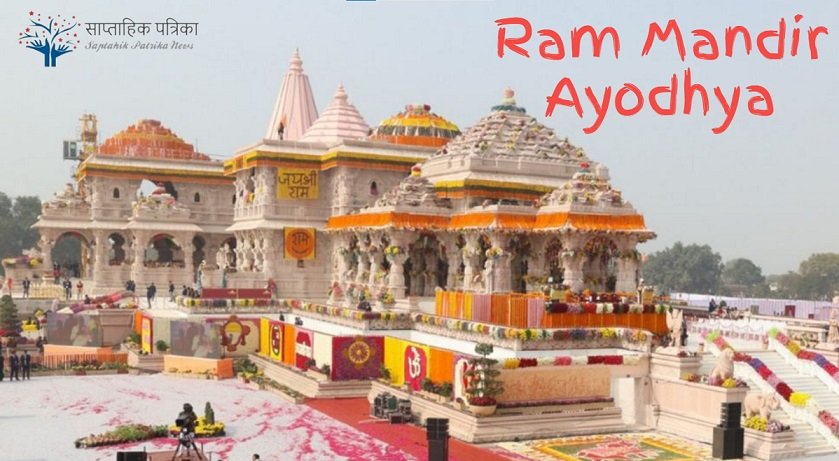
The Ram Mandir is built within the conventional Nagara architectural fashion, normally observed in North India. The layout reflects historical temple structure described in Shilpa Shastra and Vastu Shastra.
The temple is built especially from pink sandstone, diagnosed for its strength and undying beauty. No metal is used, making sure sturdiness in step with ancient practices.
Major Architectural Features
| Feature | Details |
|---|---|
| Style | Nagara Architecture |
| Material | Pink Sandstone |
| Floors | Multiple Mandaps |
| Pillars | Hand-carved stone |
| Shikhara | Tall and majestic |
| Artwork | Ramayana themes |
Every carving tells a tale. Scenes from the Ramayana, floral styles, and divine symbols are etched into the stone, making the temple a visible scripture.
Construction Process and Craftsmanship
Thousands of expert artisans from special parts of India are worried in the introduction. Traditional tools and strategies are used along cutting-edge engineering for protection and durability. Each stone is carved with precision and devotion.
The temple complex is designed to accommodate massive numbers of pilgrims whilst retaining spiritual serenity.
Ram Mandir Trust and Administration
The Shri Ram Janmabhoomi Teerth Kshetra Trust manages the temple’s production and future operations. The consider guarantees transparency, spiritual problem, and proper utilization of donations.
Devotees from India and abroad contribute, making the Ram Mandir a collective effort of religion.
Important Facts About Ram Mandir Ayodhya
| Topic | Information |
|---|---|
| Location | Ayodhya, Uttar Pradesh |
| Deity | Lord Shri Ram |
| Birthplace | Ram Janmabhoomi |
| Trust | Shri Ram Janmabhoomi Teerth Kshetra |
| Style | Nagara |
| Significance | Major Hindu pilgrimage |
Spiritual and Cultural Importance
The Ram Mandir Ayodhya represents the religious soul of India. It reminds human beings of dharma, reality, and compassion. Festivals like Ram Navami, Diwali, and Dussehra maintain particular which means right right here.
The temple moreover promotes cultural training through scriptures, song, and traditional rituals. It is a middle of reading and devotion.
Impact on Tourism and Economy
The production of the Ram Mandir has converted Ayodhya. Infrastructure improvement, motels, delivery, and neighborhood corporations have grown unexpectedly. Pilgrimage tourism has created employment and boosted the nearby monetary device.
Global Significance of Ram Mandir Ayodhya
For Indians dwelling overseas, the Ram Mandir is an emotional bridge to their roots. International traffic see it as a photograph of India’s historic civilization and spiritual power. The temple stands as a worldwide icon of faith and ancient past.
Conclusion: More Than a Temple
The Ram Mandir Ayodhya isn’t always merely a non secular shape. It is the end result of centuries of devotion, endurance, and belief in justice. It connects India’s past with its present and destiny.
As the temple rises in Ayodhya, it invitations humanity to mirror on values that go beyond time—fact, duty, compassion, and unity. For loads of heaps, traveling the Ram Mandir is not most effective a journey to an area, but a journey inward.