Complete Guide to Nepali Festivals and Traditions – Culture, Rituals & Celebrations Explained

Share
Introduction to Nepali Culture and Traditions
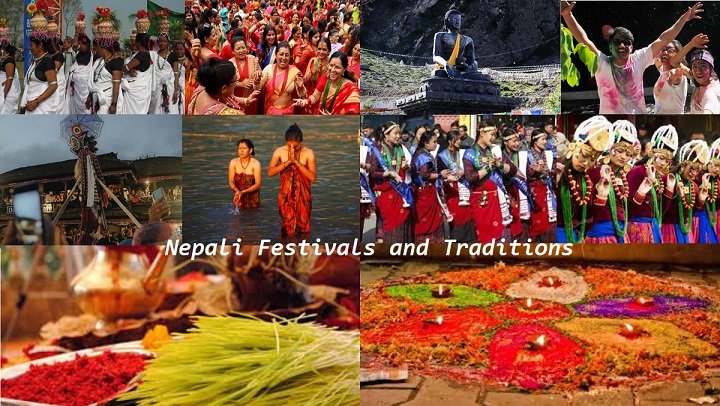
Nepal is a culturally wealthy and numerous U. S. Nestled within the Himalayas, regarded for its colour ful traditions, non secular intensity, and 12 months-spherical fairs. The cultural identification of Nepal is regular through way of a combination of Hinduism and Buddhism, alongside facet affects from diverse ethnic agencies which includes Newars, Gurungs, Sherpas, Tharus, and Tamangs. Festivals in Nepal are not just sports activities; they may be deeply rooted in mythology, seasonal cycles, agricultural practices, and social bonding. Complete Guide to Nepali Festivals and Traditions
Nepali fairs are celebrated with massive enthusiasm, concerning rituals, feasts, tune, dance, and circle of relatives gatherings. Each competition includes symbolic meaning, reflecting gratitude, devotion, and concord. Whether it’s far the grandeur of Dashain or the splendor of Tihar, every birthday celebration tells a tale of faith and cultural pride.
Importance of Festivals in Nepalese Society
Festivals in Nepal are most essential to social lifestyles and spiritual exercise. They offer opportunities for own family reunions, community bonding, and spiritual devotion. In a rustic in which a couple of religions coexist peacefully, fairs additionally constitute concord in variety.
Nepali traditions emphasize recognize for elders, worship of nature, and gratitude closer to deities. Most festivals have a look at the lunar calendar, due to this their dates vary each 12 months. These activities also play a big feature in boosting tourism, as traffic from round the world come to witness the proper celebrations.
Major Nepali Festivals Overview Table
| Festival Name | Religion | Time of Celebration | Key Highlights |
|---|---|---|---|
| Dashain | Hindu | Sept-Oct | Victory of good over evil, family gatherings |
| Tihar | Hindu | Oct-Nov | Festival of lights, worship of animals |
| Holi | Hindu | Feb-Mar | Festival of colors |
| Teej | Hindu | Aug-Sept | Women’s fasting festival |
| Buddha Jayanti | Buddhist | April-May | Birth of Lord Buddha |
| Maghe Sankranti | Hindu | January | Harvest festival |
| Losar | Buddhist | Varies | Tibetan New Year |
| Indra Jatra | Hindu/Newar | Sept | Mask dances, chariot processions |
Complete Guide to Nepali Festivals and Traditions
Dashain: The Biggest Festival of Nepal
Dashain is the maximum substantial and substantially celebrated competition in Nepal. It lasts for fifteen days and symbolizes the victory of Goddess Durga over the demon Mahishasura. The competition represents the triumph of actual over evil.
During Dashain, households acquire, elders bless extra younger individuals thru using using tika (a combination of rice, yogurt, and vermillion), and jamara (barley sprouts) is positioned on their heads. Homes are wiped clean, decorated, and filled with joy. Traditional swings called “ping” are constructed, and those revel in feasts with meat, rice, and sweets.
Dashain is likewise a time for logo spanking new garments, provides, and traveling once more to hometowns. The cultural essence of Nepal is maximum seen in the route of this opposition.
Tihar: Festival of Lights and Animals
Tihar, additionally referred to as Deepawali, is a 5-day pageant committed to awesome animals and deities. Each day has particular significance:
- Day 1: Crow worship
- Day 2: Dog worship
- Day 3: Cow worship and Laxmi Puja
- Day 4: Ox worship
- Day 5: Bhai Tika (brother-sister bond)
Homes are illuminated with oil lamps and colourful lighting. Rangoli designs decorate entrances, and people sing “Deusi-Bhailo” songs whilst visiting homes. Complete Guide to Nepali Festivals and Traditions.
Tihar highlights the significance of animals in human existence and strengthens own family relationships.
Holi: Festival of Colors
Holi is widely known with colourful colours, water balloons, and music. It marks the arrival of spring and symbolizes the victory of pinnacle over evil, stimulated with the aid of the use of manner of the legend of Prahlad and Holika.
People throw colored powders and water on each different, dance to music, and enjoy festive substances. Holi is specifically famous amongst young human beings and vacationers, growing a totally glad and energetic environment in the course of cities like Kathmandu.
Teej: Women’s Festival of Devotion
Teej is in the primary celebrated with the useful resource of women who rapid for the well-being and durability of their husbands. Unmarried ladies moreover participate, praying for a notable lifestyles associate.
Women get dressed in pink sarees, sing devotional songs, and dance in corporations. They go to temples, specially the ones devoted to Lord Shiva, and carry out rituals with deep religion.
Teej shows the cultural significance of marriage, devotion, and female concord in Nepalese society.
Buddha Jayanti: Birth of Lord Buddha
Buddha Jayanti commemorates the transport of Gautama Buddha. It is widely recognized with prayers, meditation, and services in monasteries and stupas.
The sacred internet site on line of Lumbini draws masses of pilgrims at some point of this time. Devotees slight lamps, chant scriptures, and replicate on Buddha’s teachings of peace and compassion.
Indra Jatra: Cultural Festival of Kathmandu Valley
Indra Jatra is one of the maximum interesting festivals celebrated inside the Kathmandu Valley. It honors Lord Indra, the god of rain. The competition functions masked dances, chariot processions of the residing goddess Kumari, and conventional track. The streets come alive with cultural performances and celebrations. Indra Jatra showcases the wealthy ancient beyond of the Newar network.
Losar: Tibetan New Year Celebration
Losar is well known with the resource of Buddhist organizations which includes Sherpas and Tamangs. It marks the begin of the lunar new 12 months. People smooth their homes, prepare traditional meals, and carry out rituals to hold off evil spirits. Monasteries host prayer ceremonies and cultural dances. Losar presentations the Himalayan affect on Nepalese life-style.
Maghe Sankranti: Harvest Festival
Maghe Sankranti marks the transition of the solar into Capricorn. It is widely recognized with traditional meals like sesame chocolates, ghee, and yam. People take holy dips in rivers, believing it brings correct health and prosperity. This opposition highlights Nepal’s agricultural roots.
Nepali Traditional Foods During Festivals
| Festival | Popular Foods |
|---|---|
| Dashain | Goat meat, rice, sel roti |
| Tihar | Sweets, fruits, sel roti |
| Holi | Gujiya, thandai |
| Teej | Dar (feast before fasting) |
| Maghe Sankranti | Sesame laddoos, yam, ghee |
Food performs a critical position in each opposition, symbolizing prosperity and pleasure. Complete Guide to Nepali Festivals and Traditions
Traditional Clothing and Attire
Nepali festivals are incomplete without conventional apparel. Men positioned on Daura Suruwal, at the identical time as girls put on sarees, gunyu cholo, or cultural clothes precise to their ethnic company. During gala’s like Teej, pink is the dominant color symbolizing prosperity and marital happiness. Jewelry collectively with gold ornaments and pote (beaded necklaces) decorate the festive look.
Religious Harmony in Nepal
Nepal is an brilliant instance of religious harmony in which Hindus and Buddhists have an amazing time each unique’s fairs. Temples and monasteries coexist peacefully, and those respect precise beliefs.
This concord is contemplated in fairs like Buddha Jayanti, wherein people from all religions participate.
Tourism and Nepali Festivals
Festivals lure vacationers from round the arena. Visitors enjoy actual way of lifestyles, conventional song, dance, and rituals. Events like Indra Jatra and Holi are mainly well-known among international vacationers.
Tourism contributes extensively to Nepal’s monetary gadget, and fairs play a remarkable position in selling cultural historical past globally.
Table: Best Time to Visit Nepal for Festivals
| Month | Festivals |
|---|---|
| January | Maghe Sankranti |
| February-March | Holi |
| April-May | Buddha Jayanti |
| August-September | Teej |
| September-October | Dashain |
| October-November | Tihar |
Modern Influence on Nepali Traditions
With globalization and urbanization, Nepali traditions are evolving. Modern celebrations encompass social media sharing, digital greetings, and concrete events.
However, rural regions regardless of the reality that keep conventional rituals with authenticity. The balance among modernity and lifestyle is shaping Nepal’s cultural future.
Conclusion: Preserving Nepal’s Cultural Heritage
Nepali festivals and traditions are a reflected photograph of the U . S . A . non secular intensity, cultural variety, and communal harmony. From the grandeur of Dashain to the colourful pleasure of Holi, every opposition consists of deep because of this that and historic importance.
Understanding the ones traditions facilitates respect Nepal’s identification and promotes cultural upkeep. As modernization keeps, it turns into essential to preserve the essence of those celebrations for destiny generations.
Nepal’s gala’s are not definitely activities—they will be a way of existence, connecting human beings with their roots, ideals, and every extraordinary.